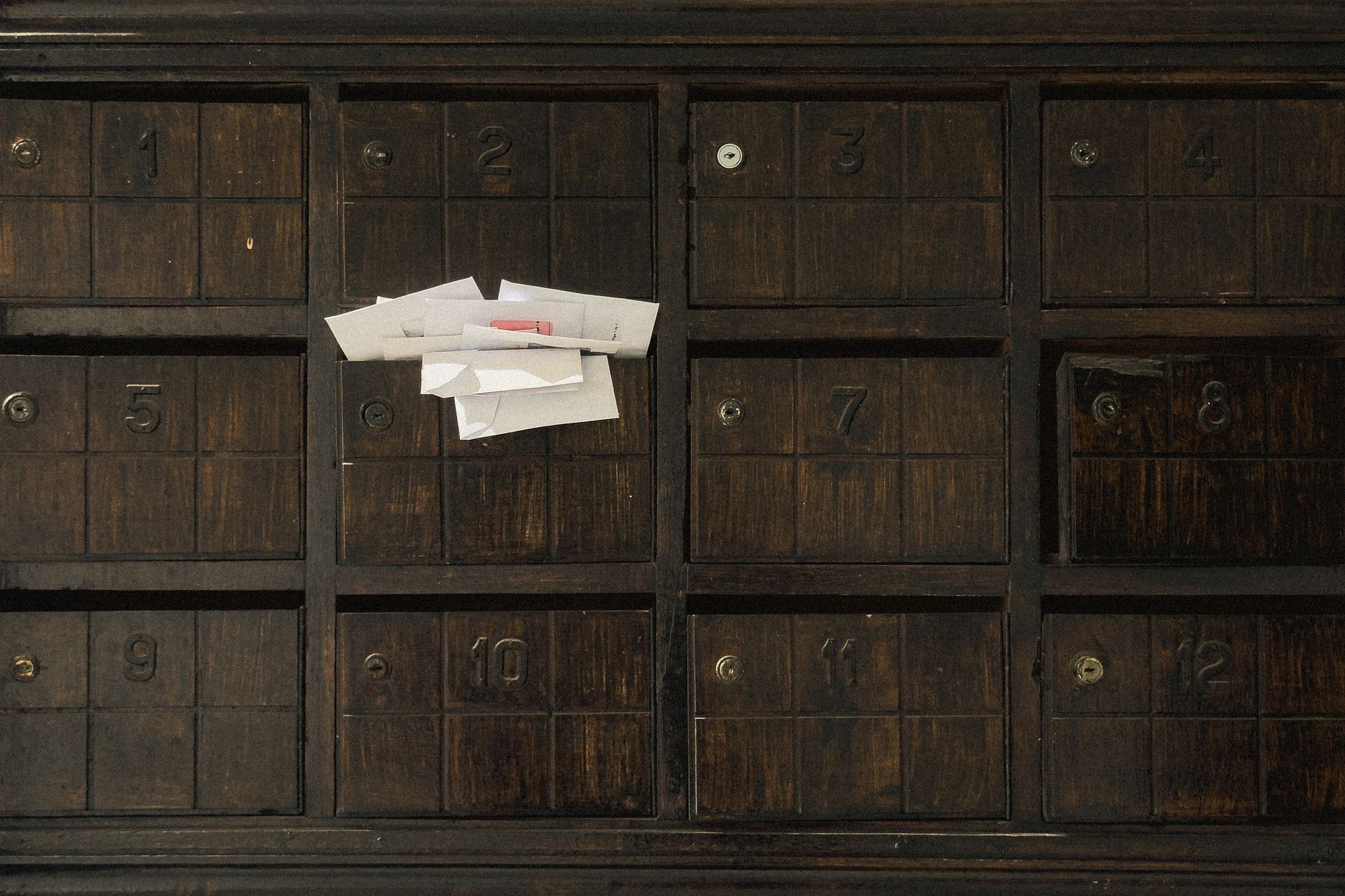
Imagine your landlord could change the locks any night, without notice, and keep everything inside. You'd never store anything valuable there. Yet that's the deal every creator accepts when their entire audience lives on platforms they don't control. The way out is an owned audience — an email list you actually keep.
Your followers are rented. The platform owns the relationship, sets the reach, and can reprice it overnight — and in 2026, the smart money in the creator economy has moved to owned audiences: email lists and subscriber bases the algorithm can't touch. Engaged newsletters convert 2 to 5% of free readers into paying customers, a rate no feed can match. The playbook is simple: give people one clear reason to hand you their email, make the trade at the moment of highest trust, and show up in their inbox on a schedule. Social wins attention. Email keeps it.
Rented land, and the rent keeps changing
Every creator has lived some version of this story. You spend two years building to 40K followers. Reach is great, business is flowing. Then an algorithm update lands, and the same content that reached 10,000 people now reaches 900. Nothing you did changed. The lease terms did.
That's not a platform being evil. It's a platform being a platform. Their job is to keep users on the app, not to guarantee your distribution. Expecting stable reach from a feed is expecting a slot machine to pay salary.
The escape isn't quitting social. Social is where strangers find you — it's the best top-of-funnel machine ever built. The escape is refusing to let social be the only place the relationship lives.
Why an email list, still, in 2026
Because it's the one channel where you hold the keys. No algorithm sits between you and the send button. Your open rate is yours to earn. Your list can move with you to any tool, any platform, any business model, forever.
And the economics are absurd next to social. An engaged newsletter converts roughly 2 to 5% of free subscribers into paying customers — courses, services, products, premium tiers. Try getting 2 to 5% of your Instagram followers to buy anything. Creators with lists a tenth the size of their follower counts routinely out-earn accounts ten times bigger, because a thousand people who chose your inbox beat a hundred thousand who scrolled past your reel.
Followers are a crowd on the platform's property. Subscribers are guests in your house. Only one of those groups is still there after the algorithm changes its mind.
The owned-audience conversion playbook
1. Give one specific reason, not a vague invitation. "Join my newsletter" converts nobody. "Get the exact pricing template I use with clients" converts. The trade has to be concrete: a template, a checklist, a weekly teardown, a series recap they can't get in the feed. One clear promise beats five mushy ones.
2. Ask at the moment of highest trust. The best time to invite someone off-platform is right after you've delivered value — the end of your most useful posts, the payoff of a series episode, the comment thread where you just solved their problem. Not cold in your bio, hoping.
3. Make the first email the best thing you send. Most creators put their worst content in the welcome email. Flip it. Deliver the promised goods instantly, plus one unexpected extra. The first email decides whether the next fifty get opened.
4. Keep a schedule you can actually keep. Weekly beats daily-then-dead. An inbox is a promise; the reader gave you their most personal channel and expects a rhythm. Reliability is the entire relationship.
5. Let the feed do the recruiting, forever. This isn't a one-time campaign. Every week, some of your social content should quietly point to the one thing that's only available by email. Social attracts. Email retains. That's the loop.
The 1,000-subscriber milestone
A thousand engaged subscribers changes the math of a creator business. At a 2 to 5% conversion rate, that's 20 to 50 buyers for anything you launch — enough to validate an offer, fund a product, or fill a service pipeline without a single ad. And unlike follower counts, that asset appreciates: lists compound because trust compounds.
The workload problem (you knew this was coming)
The catch is that an owned-audience strategy means running two content systems: the social engine that attracts, and the email rhythm that retains. Doubling output is exactly how creators burn out.
Unless the systems share a brain. Heist's Brain already knows your voice, your topics, and what your audience responds to — so the same idea becomes the feed post that recruits and the longer piece that rewards subscribers, without writing everything twice. One idea, every surface, including the one you own.
Steal your time back.
Heist turns one idea into platform-native content for your feeds and long-form for your owned channels — in your voice, on your schedule. A month of content in 10 minutes. Free 7-day trial, no credit card required.
Get Your Time Back →